What Gulf Businesses Misread About European Deal Culture and Why It Keeps Costing Them
Strategy · March 2026 · 6 min read
There is a conversation that happens, in various forms, in advisory offices across European jurisdictions. The trigger point: a Gulf principal, someone experienced, commercially sharp, rich in sector knowledge and well-advised at home, has entered discussions with a European counterpart.
The early meetings went well. The interest is genuine on both sides. And then the process inexplicably slows, to the point of almost being halted completely. The deal that looked close begins to feel distant.
The Gulf principal, not unreasonably, concludes that the other side has lost interest.
Usually, they have not.
The Process Is the Message
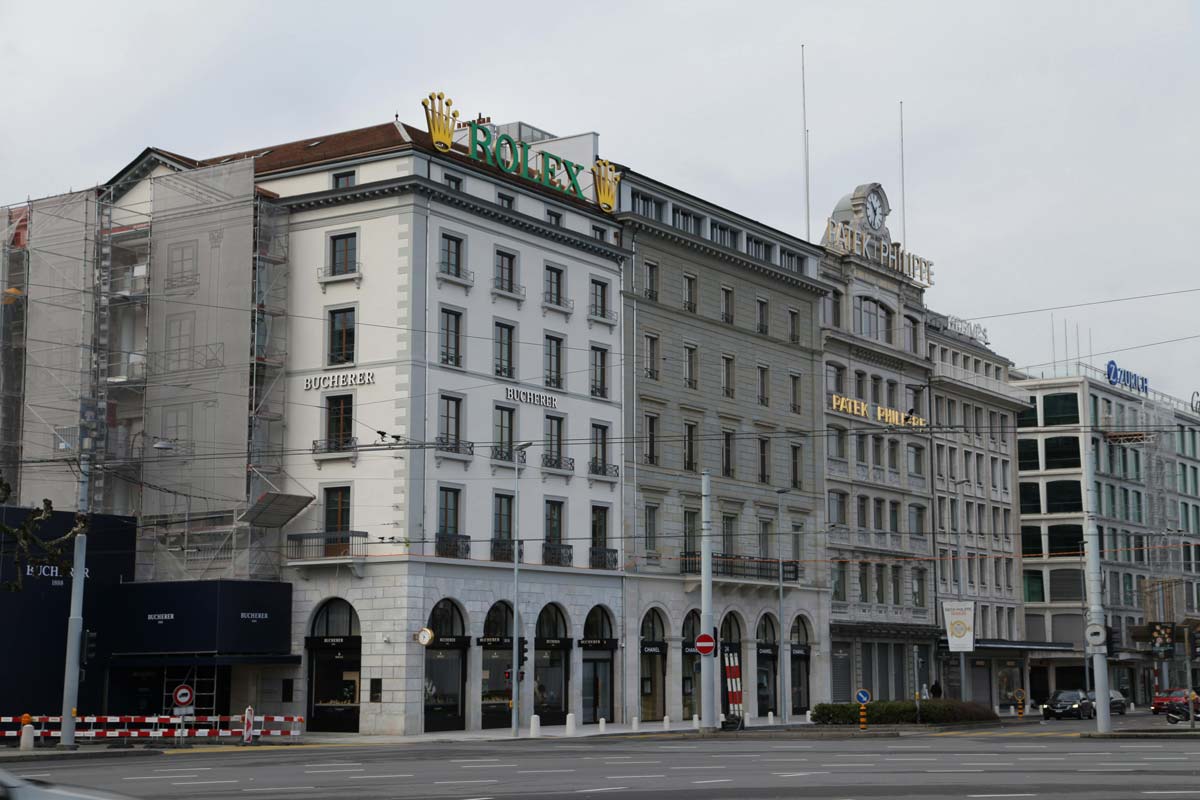
European deal culture, particularly in Northern and Central Europe, runs on process in a way that can read, from the outside, as disengagement. A Swiss counterpart who stops responding quickly is often not cooling on a deal. They are doing what their institutional culture requires: consulting internally, seeking sign-off at the appropriate level, moving through a governance process that exists precisely because their organisation is built to last.
This is less a character flaw, and more a feature of how European businesses are structured. And, unfortunately, it is one that Gulf individuals, those more accustomed to the pace at which decisions can move when principals are aligned, frequently find disorienting.
The gut feeling, when things slow down, is to apply pressure. The instinct manifests as a hastily worded follow-up that signals urgency, or an escalation to a more senior contact. In many Gulf business contexts, this is entirely appropriate. In a European institutional setting, it often achieves the opposite of what is intended. It introduces a social friction that then must be managed before the commercial discussion can resume.
What Europeans Misread About Gulf Decision-Making
The misreading runs in both directions.
European counterparts in Gulf transactions frequently underestimate how quickly a decision can be made when the right person is satisfied. There is an assumption shaped, in part, by the complexity of dealing with large Gulf institutions that decisions require committee approval and multiple layers of sign-off and due diligence.
Sometimes this is true. Often it is not. A Gulf executive who has decided they trust a counterpart and believes an opportunity is sound can move to commitment with a speed that European institutions find genuinely startling. The challenge is that they must reach that point of trust first. And trust, in Gulf commercial culture, is not established by documentation. It is established by the quality of the relationship.
This creates a specific problem for European parties who lead with process rather than relationship. They are providing the thing that Gulf clientele needs least and withholding the thing they need most.
Where Deals Actually Break Down
In our experience at Keuk Consulting, the deals that fail between Gulf and European parties rarely fail on the commercial terms. They fail much earlier than that, during that initial period when both sides are reading each other (and getting it wrong).
The European party mistakes relationship-building for delay. The Gulf party mistakes process for reluctance. By the time both sides have recalibrated, the window has narrowed and the enthusiasm has drastically cooled. At this point the deal requires more work than it should.
The solution is not necessarily cultural sensitivity training. But rather having someone in the process who understands both commercial registers and can translate between them. This is a specific kind of value. And it is, in our experience, frequently the difference between a deal that closes and one that does not.